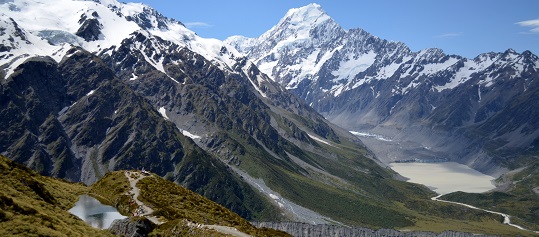
“Baket pag tinatanung kita kung nasaan ka lagi mo na lang sinasabi na ‘nasa earth’?”
“Eh nasa earth naman kasi ako!”
Hi mga Ka-People Changer,
For this session usapang “knowledge is power” muna tayo ah.

Earth is the only planet where living things cometogether and enjoy different chemical elements and compounds for survival and interaction.This blue planet continues to surprise humankind because of its wonderful resources,natural phenomena and ability to respond to what humans have given to her thatmakes earth the most amazing place in the universe.
According to National Geographic, geography is the study of places and the relationships between people and their environments. Geographers explore both the physical properties of Earth’s surface and the human societies spread across it. They also examine how human culture interacts with the natural environment, and the way that locations and places can have an impact on people. Geography seeks to understand where things are found, why they are there, and how they develop and change over time.
The term “geography” comes to us from the ancient Greeks, who needed a word to describe the writings and maps that were helping them make sense of the world in which they lived. In Greek, geo means “earth” and –graphymeans “to write.” Using geography, Greeks developed an understanding of where their homeland was located in relation to other places, what their own and other places were like, and how people and environments were distributed. These concerns have been central to geography ever since.
The Britannica cited their definition and their explanation:
Geography, the study of the diverse environments, places, and spaces of Earth’s surface and their interactions. It seeks to answer the questions of why things are as they are, where they are. The modern academic discipline of geography is rooted in ancient practice, concerned with the characteristics of places, in particular their natural environments and peoples, as well as the relations between the two. Its separate identity was first formulated and named some 2,000 years ago by the Greeks, whose geo and graphein were combined to mean “earth writing” or “earth description.” However, what is now understood as geography was elaborated before then, in the Arab world and elsewhere. Ptolemy, author of one of the discipline’s first books, Guide to Geography (2nd century CE), defined geography as “a representation in pictures of the whole known world together with the phenomena which are contained therein.” This expresses what many still consider geography’s essence—a description of the world using maps (and now also pictures, as in the kind of “popular geographies” exemplified by National Geographic Magazine)—but, as more was learned about the world, less could be mapped, and words were added to the pictures.
To most people, geography means knowing where places are and what they are like. Discussion of an area’s geography usually refers to its topography—its relief and drainage patterns and predominant vegetation, along with climate and weather patterns—together with human responses to that environment, as in agricultural, industrial, and other land uses and in settlement and urbanization patterns.
Although there was a much earlier teaching of what is now called geography, the academic discipline is largely a 20th-century creation, forming a bridge between the natural and social sciences. The history of geography is the history of thinking about the concepts of environments, places, and spaces. Its content covers an understanding of the physical reality we occupy and our transformations of environments into places that we find more comfortable to inhabit (although many such modifications often have negative long-term impacts). Geography provides insights into major contemporary issues, such as globalization and environmental change, as well as a detailed appreciation of local differences; changes in disciplinary interests and practices reflect those issues.
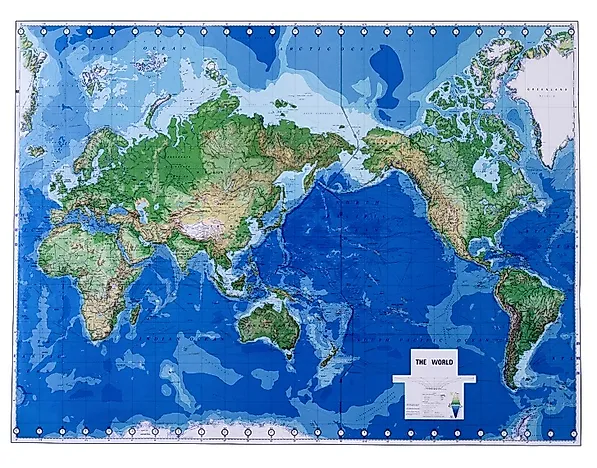
The World Atlas website define geography as:
A captivating subject, geography is a scientific field that is devoted to the study of the Earth’s landforms, oceans, environment and ecosystems, as well as the interactions between the human society and their environment. The word geography literally means “earth writing”. Geography has been elucidated by various sources time and again. Here is a general definition of geography:
“Geography is the study of the Earth’s physical features and environment including the impact of human activity on these factors and vice versa. The subject also encompasses the study of patterns of human population distribution, land use, resource availability, and industries.”
Scholars who study geography are known as geographers. These people engage themselves in the exciting task of exploring and studying the Earth’s natural environment and human society. Although map-makers were known as geographers in the ancient world, today, they are more specifically known as cartographers. Geographers usually focus on two major fields of geographical studies: physical geography or human geography.
History of Geography
The term geography was coined by the ancient Greeks who not only created detailed maps and accounts of places around them but also illuminated why and how human and natural patterns varied from one place to another on Earth. Through the passage of time, the rich legacy of geography made a momentous journey to the bright Islamic minds. The Islamic Golden Age witnessed astounding advancements in the geographical sciences. Islamic geographers were credited with groundbreaking discoveries. New lands were explored and the world’s first grid-based mapping system was developed. The Chinese civilization also contributed instrumentally towards the development of early geography. The compass, a traveling aid, devised by the Chinese, was used by the Chinese explorers to explore the unknown.
A new historical chapter of geography opened during the “Age of Discovery”, a period coinciding with the European Renaissance. A fresh interest in geography was regenerated in the European world. Marco Polo, the Venetian merchant traveler, spearheaded this new Age of Exploration. Commercial interests in establishing trade contacts with the rich civilizations of Asia like China and India became the primary reason for traveling during this period. Europeans moved ahead in all directions, discovering new lands, unique cultures, and natural wonders in the process. They also began to colonize new lands towards the latter half of the Age of Exploration. The tremendous potential of geography to shape the future of human civilization was recognized and in the 18th Century, geography was introduced as a discipline of study at the university level. Based on geographical knowledge, the human society discovered new ways and means to overcome the challenges posed by nature and human civilizations flourished in all parts of the world. In the 20th century, aerial photography, satellite technology, computerized systems, and sophisticated software radically changed the definition of geography and made the study of geography more comprehensive and detailed.

The Branches of Geography
Geography can be regarded as an interdisciplinary science. The subject encompasses an interdisciplinary perspective that allows the observation and analysis of anything distributed in Earth space and the development of solutions to problems based on such analysis. The discipline of geography can be divided into several branches of study. The primary classification of geography divides the approach to the subject into the two broad categories of physical geography and human geography.
Physical Geography
Physical geography is defined as the branch of geography that encompasses the study of the natural features and phenomena (or processes) on the Earth.

Physical geography may be further subdivided into various branches:
- Geomorphology: This involves the study of the topographic and bathymetric features on Earth. The science helps to elucidate various aspects related to the landforms on the Earth such as their history and dynamics. Geomorphology also attempts to predict the future changes in the Earth’s physical features.
- Glaciology: This field of physical geography deals with the study of the inter-dynamics of glaciers and their effects on the planet’s environment. Thus, glaciology involves the study of the cryosphere including the alpine glaciers and the continental glaciers. Glacial geology, snow hydrology, etc., are some of the sub-fields of glaciological studies.
- Oceanography: Since oceans hold 96.5% of the Earth’s waters, a special field of oceanography needs to be dedicated to the study of oceans. The science of oceanography includes geological oceanography (study of the geological aspects of the ocean floor, its mountains, volcanoes, etc.), biological oceanography (study of the marine life and ocean ecosystems), chemical oceanography (study of the chemical composition of the marine waters and their effects on marine life forms), physical oceanography (study of the oceanic movements like the waves, currents, etc.)
- Hydrology: This is another vital aspect of physical geography. Hydrology deals with the study of the properties of the Earth’s water resources and the movement dynamics of water in relation to land. The field encompasses the study of the rivers, lakes, glaciers, and underground aquifers on the planet. It studies the continuous movement of water from one source to another on, above, and below the Earth’s surface, in the form of the hydrological cycle.
- Pedology: A branch of soil science, pedology involves the study of the different soil types in their natural environment on the surface of the Earth. This field of study helps gather information and knowledge on the process of soil formation (pedogenesis), soil constitution, soil texture, classification, etc.
- Biogeography: An indispensable field of physical geography, biogeography is the study of how species on Earth are dispersed in geographic space. It also deals with the distribution of species over geological time periods. Each geographical area has its own unique ecosystem and biogeography explores and explains such ecosystems in relation to physical geographical features. Different branches of biogeography exist like zoogeography (geographic distribution of animals), phytogeography (geographic distribution of plants), insular biogeography (the study of factors influencing isolated ecosystems), etc.
- Paleogeography: This branch of physical geography examines the geographical features at various time points in the Earth’s geological history. It helps the geographers to attain knowledge about the continental positions and plate tectonics determined by studying paleomagnetism and fossil records.
- Climatology: The scientific study of climate, climatology is a crucial field of geographical studies in today’s world. It examines all aspects related to the micro or local climates of places and also the macro or global climate. It also involves an examination of the impact of human society on climate and vice versa.
- Meteorology: This field of physical geography is concerned with the study of the weather patterns of a place and the atmospheric processes and phenomena that influence the weather.
- Environmental geography: Also known as integrative geography, this field of physical geography explores the interactions between humans (individuals or society) and their natural environment from the spatial point of view. Environmental geography is thus the bridging gap between human geography and physical geography and can be treated as an amalgamation of multiple fields of physical geography and human geography.
- Coastal geography: Coastal geography is another area of specialization of physical geography that also involves a study of human geography. It deals with the study of the dynamic interface between the coastal land and the sea. The physical processes that shape the coastal landscape and the influence of the sea in triggering landscape modifications is incorporated in the study of coastal geography. The study also involves an understanding of the ways the human inhabitants of coastal areas influence the coastal landforms and ecosystems.
- Quaternary science: This is a highly specialized field of physical geography that deals with the study of the Quaternary period on Earth (the Earth’s geographical history encompassing the last 2.6 million years). It allows the geographers to learn about the environmental changes undergone in the planet’s recent past. This knowledge is then used as a tool to predict future changes in the Earth’s environment.
- Geomatics: Geomatics is a technical branch of physical geography that involves the collection of data related to the earth’s surface, analysis of the data, its interpretation, and storage. Geodesy, remote sensing, and geographical information science are the three sub-divisions of geomatics.
- Landscape ecology: The science of landscape ecology deals with the study of how the varying landscapes on Earth influences the ecological processes and ecosystems on the planet. The German geographer Carl Troll is credited as the founder of this field of physical geography.
Human Geography

Human geography is the branch of geography that deals with the study of how the human society is influenced by the Earth’s surface and environment and how, in turn, anthropological activities impact the planet. Human geography is centered on the study of the planet’s most evolved creatures: the humans and their environment.

This branch of geography can be further subdivided into various disciplines based on the focus of study:
- Population geography: A division of human geography, population geography deals with the study of how the nature of a place determines the distribution, growth, composition, and migration of human populations.
- Historical geography: Historical geography elucidates the ways in which geographical phenomena change and evolve with time. Though it is treated as a sub-field of human geography, it also focuses on certain aspects of physical geography. Historical geography attempts to understand why, how and when a place or region on Earth changes and the impact such changes have on the human society.
- Cultural geography: Cultural geography explores how and why cultural products and norms vary with space and place. It thus deals with the study of the spatial variations of human cultures including religion, language, livelihood choices, politics, etc. Religion geography, language geography, etc., are some of the subfields of cultural geography.
- Economic geography: A vital aspect of human geography, economic geography encompasses the study of how human economic activities are located, distributed and organized in geographical place and space. Marketing and transportation geography can be treated as sub-fields of economic geography.
- Political geography: This important field of human geography deals with the political boundaries of the countries of the world and the division of land and its resources between the countries. It also deals with how spatial structures influence political functions and vice versa. Military geography, electoral geography, geopolitics are some of the subfields of political geography.
- Health geography: A sub-discipline of human geography, health geography concentrates on the influence of the geographical location and place on the health and well-being of humans. It tends to approach the subject of human health from a comprehensive perspective encompassing the influence of society and space on health and disease.
- Developmental geography: This branch of human geography explores the quality of life and the standard of living of the human inhabitants of the world and attempts to understand how and why such standards vary with place and space.
- Settlement geography: Settlement geography attempts to explore the part of the Earth’s surface that encompasses human settlements. It is a study of the urban and rural settlements, the economic structure, infrastructure, etc., and the dynamics of human settlement patterns in relation to space and time.
- Animal geography: Animal geography might be considered as a sub-field of human geography which is closely related to the environmental geography branch of physical geography. It encompasses the study of the lifeworlds of the animals on Earth and the interdependencies between humans and other animals.
Top 10 Reasons to Study Geography
The Canadian Geographic Education cited 10 reasons why study geography.
- To understand basic physical systems that affect everyday life (e.g. earth-sun relationships, water cycles, wind and ocean currents).
- To learn the location of places and the physical and cultural characteristics of those places in order to function more effectively in our increasingly interdependent world.
- To understand the geography of past times and how geography has played important roles in the evolution of people, their ideas, places and environments.
- To develop a mental map of your community, province or territory, country and the world so that you can understand the “where” of places and events.
- To explain how the processes of human and physical systems have arranged and sometimes changed the surface of the Earth.
- To understand the spatial organization of society and see order in what often appears to be random scattering of people and places.
- To recognize spatial distributions at all scales — local and worldwide — in order to understand the complex connectivity of people and places.
- To be able to make sensible judgements about matters involving relationships between the physical environment and society.
- To appreciate Earth as the homeland of humankind and provide insight for wise management decisions about how the planet’s resources should be used.
- To understand global interdependence and to become a better global citizen.
Barb Bailey, the Director of Learning at LearningPlunge, Inc. answers why GEOGRAPHY IMPORTANT. Here is here insight:
Create Awareness of Place
Studying geography creates an awareness of place. Just like our founding fathers identified, understanding geography instills an identity of the American place. Shouldn’t everyone know what states neighbor their own? How and where to find the 9/11 Memorials? Where important cities are like Miami, Dallas, Chicago, New York, Boston, or Seattle? The names of the countries that border us? The importance of Washington, DC?
More importantly, understanding geography helps us make sense of current and historical events, whether of economic, political, or social importance. We become better critical thinkers knowing this information. Geography pervades just about every aspect of our lives!
Develop Non-Fiction Reading Skills
Studying geography develops non-fiction reading skills. Geography uses complex visual representations such as maps, pictures, charts, and graphs that must be interpreted depending on the purpose. Students of geography must use higher order thinking skills to analyze and synthesize information. Studying geography also naturally develops a working knowledge of how to read and process non-fiction text features since those features are woven throughout all aspects of the content. Finally, studying geography builds important vocabulary and background knowledge about our country and world too. If you want to build non-fiction reading skills, geography is a great resource.
Develop Spatial Awareness
Studying geography develops better spatial awareness. It is important to learn map sense and globe-reading skills yet these activities are virtually gone from education today. Could your students point north if you asked them? Could they look at a map and identify the location of our continents and oceans without the help of technology? Would your students know how to find their way home or to the next state without a GPS? By studying geography and mapping skills, we foster the development of spatial awareness and also create the link to understanding the effectiveness of key spatial geographic systems such as GPS. How will we improve on these technologies without another generation of students who understand how our world is structured?
Create a Global Community
Studying geography creates a global citizen. Those who know geography better understand the interdependence of our world and how we are connected through location, place, movement, region, and human-environment interactions. Think about it. As we develop our understanding of the important themes of geography, we also help build awareness for cultural diversity–how and why people live the way they do. Students need to understand this information in our global society.
Geography was and is still very important. And even though it may not be a part of your testing cycle, there are so many valuable reasons why integrating geography into your classroom is important.
References:
National Geographic Society. (2012, October 09). Geography. Retrieved November 25, 2018, from https://www.nationalgeographic.org/encyclopedia/geography/#fdoor-test
Johnston, R. (2018, April 19). Geography. Retrieved November 25, 2018, from https://www.britannica.com/science/geography#accordion-article-history
Nag, O. S. (2016, June 21). What Is Geography? Retrieved November 25, 2018, from https://www.worldatlas.com/geography.html
Canadian Geographic Education. (2018). Top 10 Reasons toStudy Geography. ? RetrievedNovember 25, 2018, from http://www.cangeoeducation.ca/resources/why_geography/top10.asp
Bailey, B. (n.d. September 07). WHY IS GEOGRAPHY IMPORTANT? Retrieved November 25, 2018, from https://www.learningplunge.org/2017/09/07/why-is-geography-important/


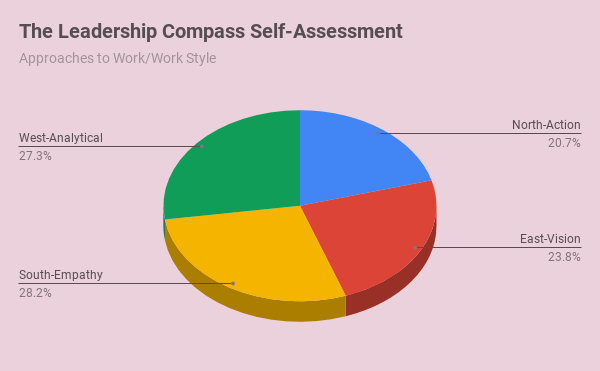
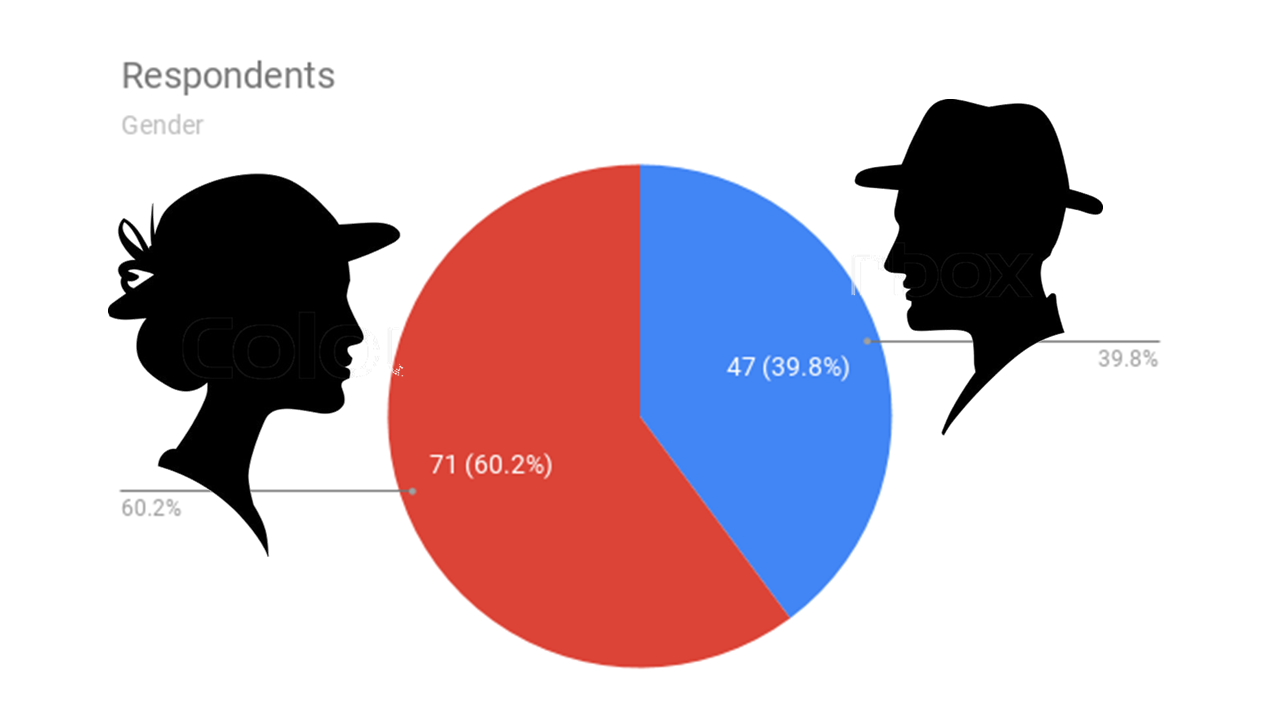
 As the saying goes “knowledge is power” still a great way to adapt to our changing environment as we enter in the 4th industrial revolution. Artificial intelligence and social media platforms are some avenues to express ourselves, communicate others, send vital information, and re framing old habits. Despite of these rapid changes, there are things that sound constantly close to our heart and that is to enjoy life through eating good and exciting foods. The experience will not be completed without creating happy and unique way to travel. An old adage “the fastest way to a man’s heart is through his stomach” still matters today and adding an ingredient of travelling is breathing ground for happy spirit.


 Bucket of Bakets (Bucket of Whys)